


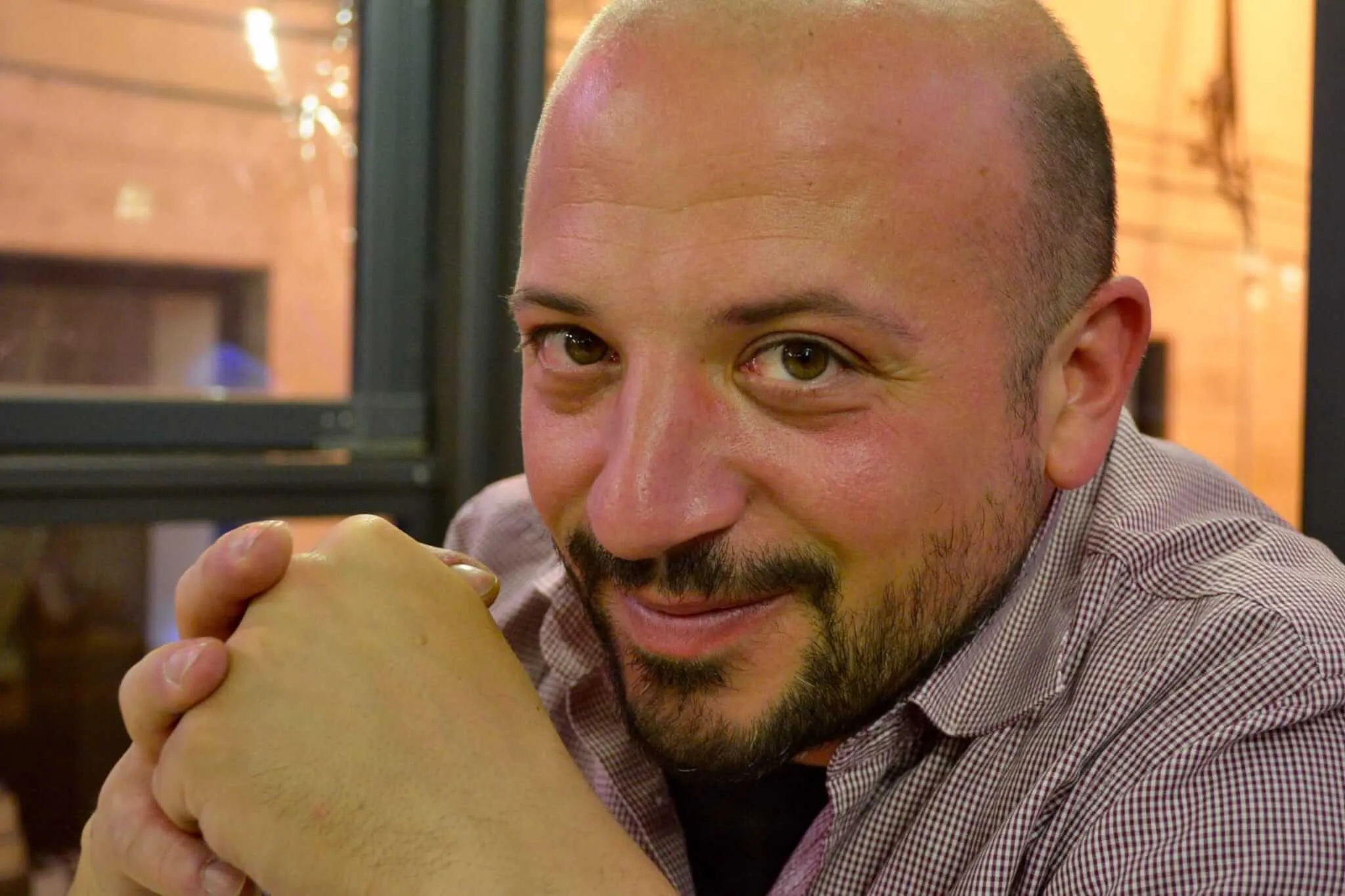
Davide Livio
My name is Davide Livio, I am 45 years old, and I am a psychologist and psychotherapist specialising in hypnotherapy and EMDR. For over twenty years, I have been helping people who are going through difficult times in their lives or who feel a deep need for change. My approach to psychotherapy stems from a combination of study, clinical experience and personal life: I am a husband, father, amateur musician (with a passion that has led me to switch from the trumpet to the double bass and now to the violin, which I have just started learning), lover of analogue photography and the mountains in all seasons.
Chi viene da me, spesso si porta dietro la fatica di convivere con ricordi pesanti, ansie che sembrano senza senso, traumi più o meno visibili che restano incisi nella mente e nel corpo. In tanti cercano un modo per “cambiare pagina”, per sentirsi finalmente liberi. Io credo, invece, che non si tratti di voltare pagina, ma di riscrivere la storia insieme, uno spazio alla volta, trovando e valorizzando quelle risorse profonde che molti dimenticano di possedere.
La base del mio approccio? Semplice: “Sai fare molto più di quello che credi di saper fare”. È una verità che ho visto emergere nel lavoro clinico e nella mia stessa vita: ognuno di noi ha in sé molto di più di quanto sia disposto ad ammettere.
Hypnotic psychotherapy: access to resources
What hypnosis really is
For me, hypnosis has nothing to do with losing control or the dramatic suggestion shown in films. Modern hypnosis is a state of selective attention, deep relaxation and focus, which allows easier access to one's internal resources. In therapy, this state facilitates contact with often neglected parts of oneself: memories, emotions, symbols, creative solutions.


Why work with the unconscious?
I do not see the unconscious as a dark place to be wary of. On the contrary, I consider it a mine of resources, a storehouse of unexplored strengths, creativity and adaptability. Often, people arrive thinking they “have to dig through the mud”; instead, I want to guide them to rediscover and value the good that is already buried within them.
In my daily practice, I accompany patients on short hypnotic journeys, where metaphor becomes the language of choice. A single image, carefully chosen and tailored to the individual, can bring about profound changes: like a black and white photograph in an old darkroom, where the image slowly emerges under red light, internal resources can also become visible again with the right delicacy.
EMDR: removing obstacles to resume living
The sense of trauma and blocked memories


Come si lavora con EMDR
In practice, the patient is asked to focus on certain memories, emotions or sensations, and eye movements or other forms of bilateral stimulation are activated. This process facilitates the natural ability of the mind and brain to “digest” and reorganise emotional information, allowing the chains that still bind us to the past to slowly dissolve.
There are no standardised paths: each person has their own history, their own pace, their own strengths. For some, the path to change passes immediately through the body, while for others it takes time to even name their pain.
Un esempio clinico
I think of Anna, a woman who had been involved in a serious car accident. Every time she heard the sound of a car horn, she relived the event with an intensity that paralysed her. In the first few sessions, through storytelling and the support of the therapeutic relationship, we began to explore these emotions, and then used EMDR cautiously: little by little, she began to separate the present from the past and, slowly, to return to driving with peace of mind.
Mindfulness: cultivating presence and resilience
How mindfulness supports the therapeutic process
My encounter with mindfulness first occurred in my personal life, through the practice of Vipassana meditation, and then in the clinical setting. Today, I cannot imagine therapeutic work that does not include mindfulness practices in some form.
Mindfulness allows us to learn to observe what is happening moment by moment, without judgement or haste: bodily sensations, emotions, thoughts, everything can become “material” for work. And it is precisely the ability to be with oneself, without trying to “fix” things at all costs, that often allows profound changes to take root.


Mindfulness in practice
I suggest simple exercises: listening to your breathing, paying attention to your movements, observing your emotions as they arise and transform. It is not a quick fix, of course, but it is like learning to walk in the mountains in the fog: the view reveals itself little by little, and you gain confidence step by step.
Integrate to transform
A tailor-made approach
I believe that the true strength of psychotherapy today does not lie in isolated techniques or in chasing the clinical “trend” of the moment. Authentic transformation comes from the harmonious integration of the most appropriate tools at that precise moment in a person's life. I do not offer pre-packaged programmes: every story is unique.
In practice, I alternate between hypnotic techniques (to access and install resources), EMDR (to dissolve disturbing memories or limiting beliefs), and mindfulness exercises (to root achievements in everyday life). The thread that holds all this together is the therapeutic relationship: an alliance of trust, respect, and a shared view of the objectives. Without a relationship, no technique really works.


Challenges and realism
I would never sell illusions. Every authentic change is a process, often slow and demanding, made up of attempts, pauses and new beginnings. It is like developing a photograph in a darkroom: it takes time, patience and trust in the process.
Sometimes therapeutic work means pausing in the effort without rushing. Other times, it is important to train a gentle gaze on what is still struggling to emerge. My job is to accompany, never to force; to facilitate the unveiling of resources, not to impose solutions from the outside.
The therapeutic relationship: the real 'cure'
The basis of all my work is relationships. Without genuine listening, there are no effective techniques. Each journey is built together: we take the time to get to know each other, explore fears and celebrate small achievements. The relationship is a safe space where you can let your defences down, risk being vulnerable and begin to feel capable. To work on trauma, resources or presence, you first need to feel seen, recognised and respected.


What can you expect from an integrated programme?
- Listening that goes beyond words;
- Focusing on resources rather than limitations;
- Techniques that are targeted but adapted to how you function;
- Gentle, attentive support that is never intrusive;
- A journey that respects your pace, your history and your choices.
FAQs

A quote to conclude
I like to end with one of my favourite quotes, especially when change seems impossible:
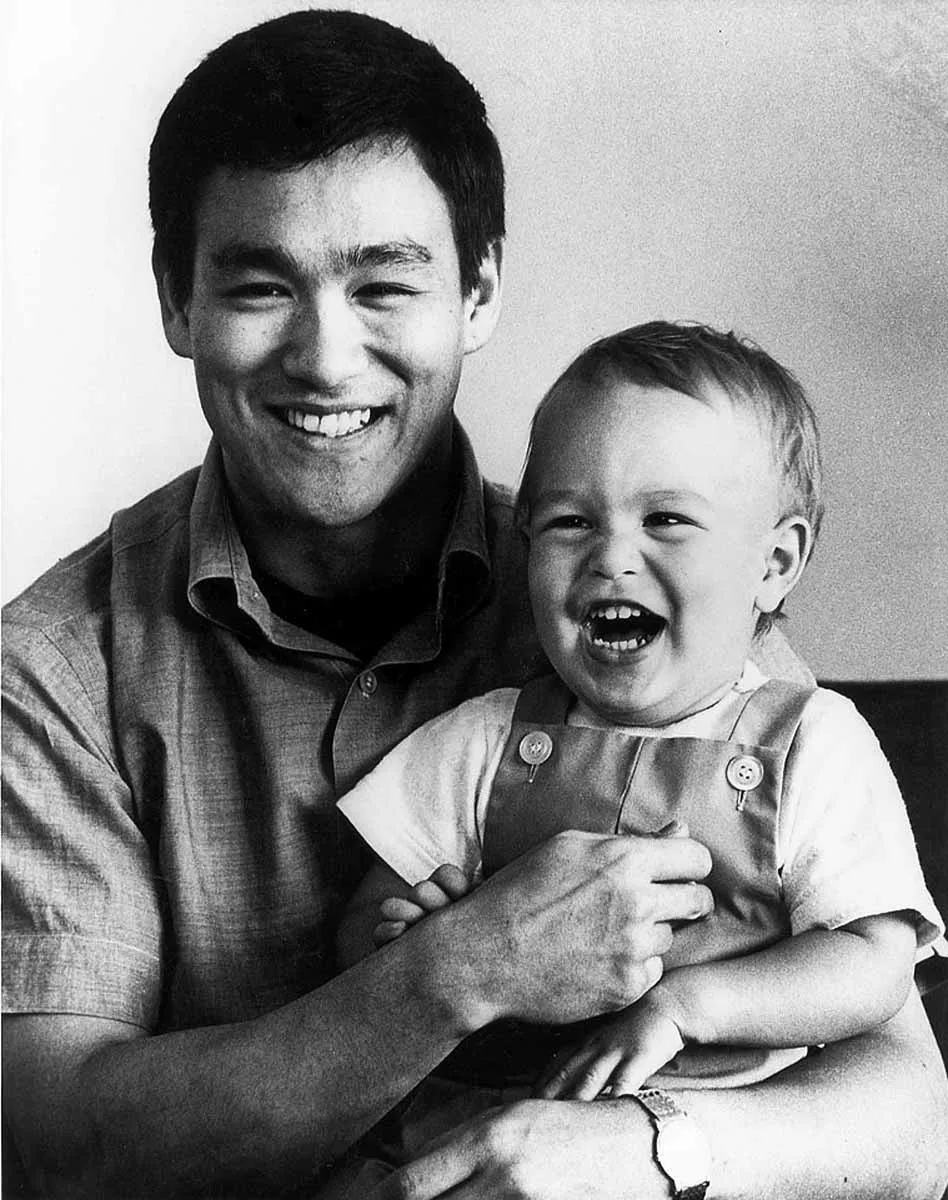
“Don't let what you can't do interfere with what you can do.”
Bruce Lee
I often repeat this to myself and my patients. Therapy is, first and foremost, learning to discover those steps that are possible here and now, without waiting for “everything to work out”. This is where transformation almost always begins.
Cosa ti porti a casa da questa lettura
- Difficult experiences aren't condemnations: you can work through them, even after years.
- Techniques are important, but relationships are the true foundation of any change.
- You contain many more resources than you think.
- The true path is the one we design together, step by step.
If something you've read resonates with your experience, if you feel it's time to truly start taking care of yourself, you can contact me. I'll welcome you without judgment, and we'll build a transformational journey together.
DISCLAIMER
The information in this article is not a substitute for an individual psychological or psychotherapeutic evaluation. If you experience significant symptoms or have concerns about your mental health, it is always advisable to consult a professional directly. This space does not replace medical care and does not provide advice on medications or diagnoses.